
Pure copper. No unwanted extras. Backed by evidence.
99.21% copper, independently measured and tested for food safety. Transparent about our copper and how it is made.
Reviews from across the shop
Translated from the original language where needed.
Lovely long stakes for the vegetable garden

Lovely stakes for the garden

A fun experiment

Looks lovely!

Good quality stakes. All copper, so they will last a long time

Read about it online. It really works!!

A lovely set. We are going to try it

The rods look good. Fun to experiment with

Products
View all-
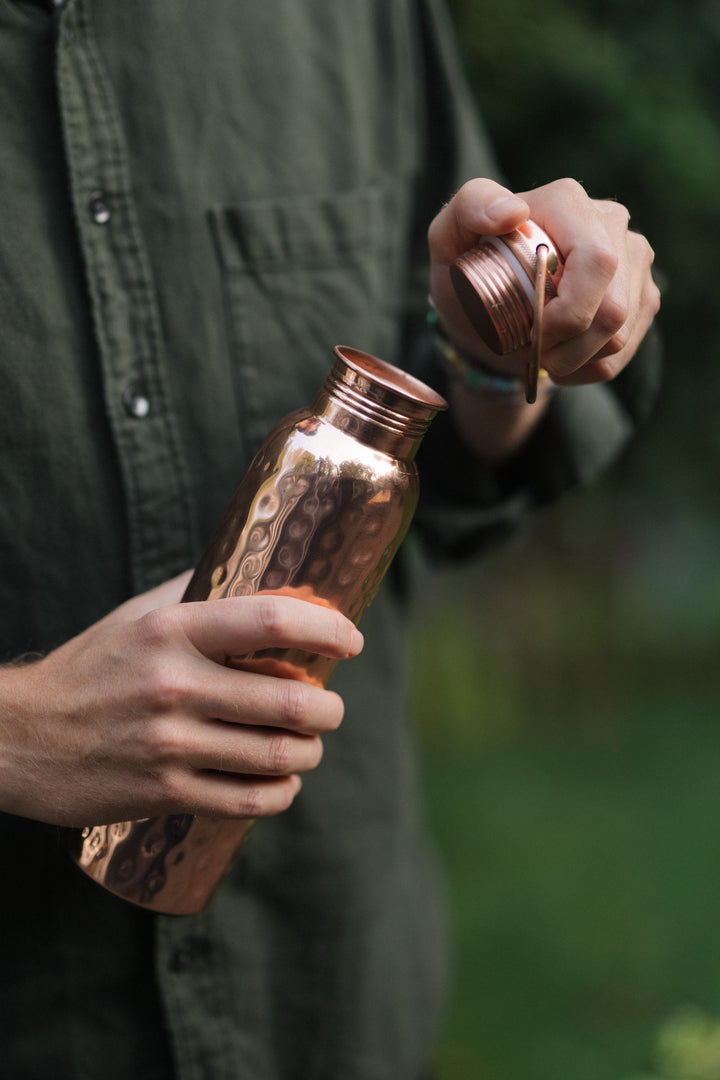 Copper Water BottleHammered€49,95
-
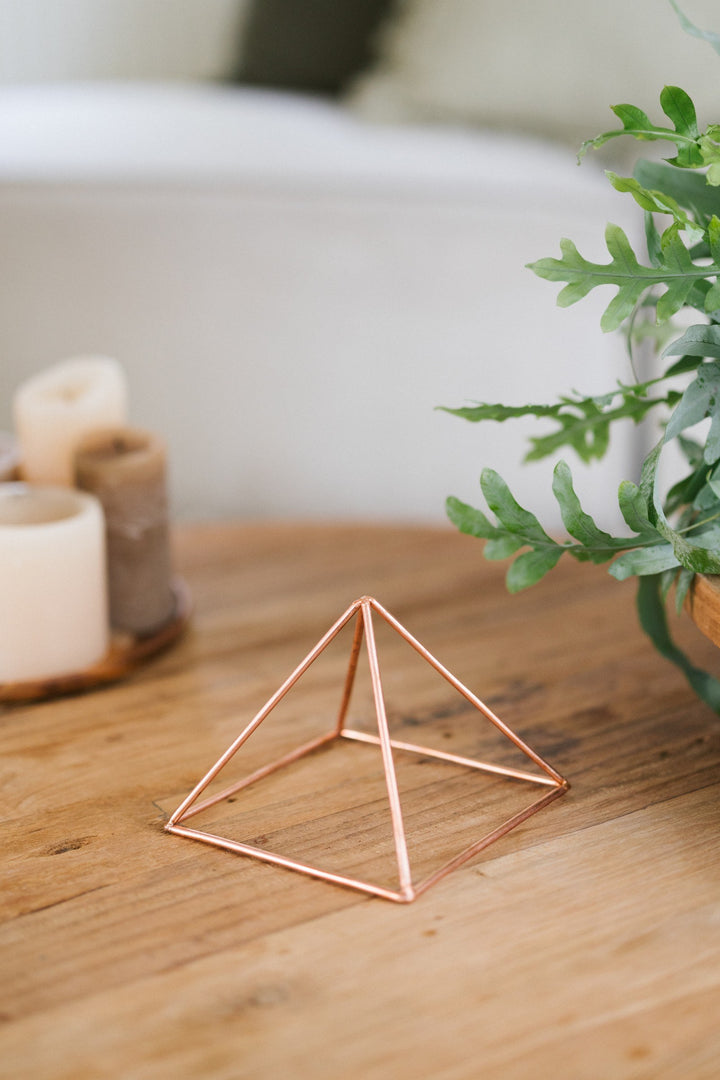 Copper Pyramid Energizer SmoothTemporarily out of stockfrom €39,95
-
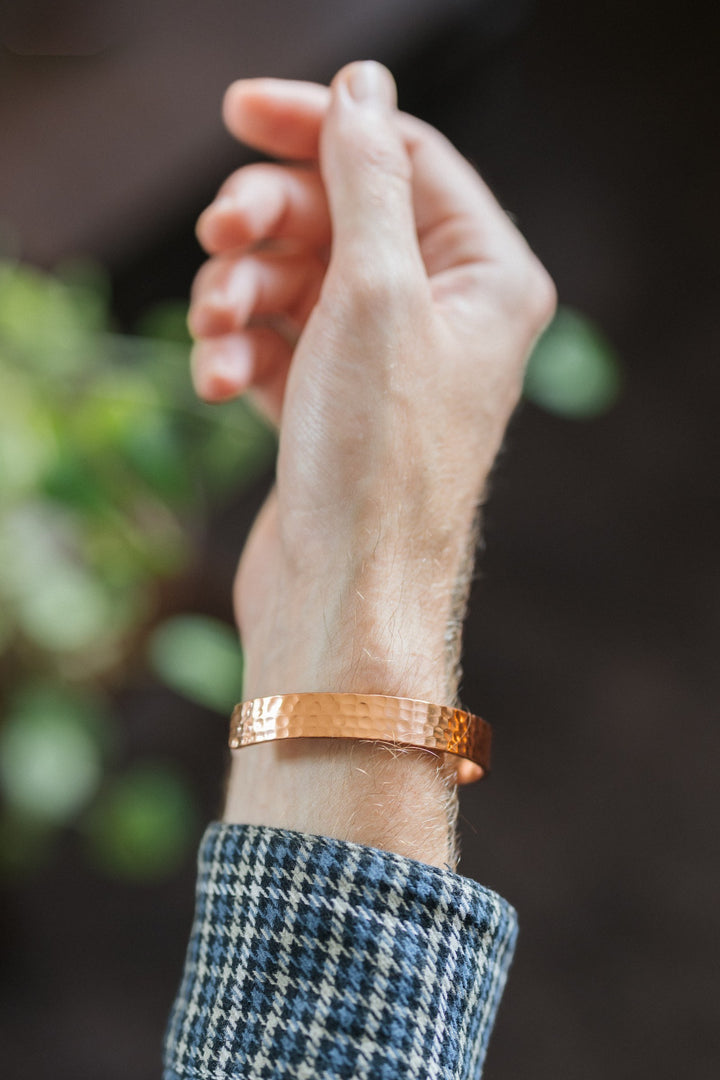 Copper BraceletHammered€29,95
-
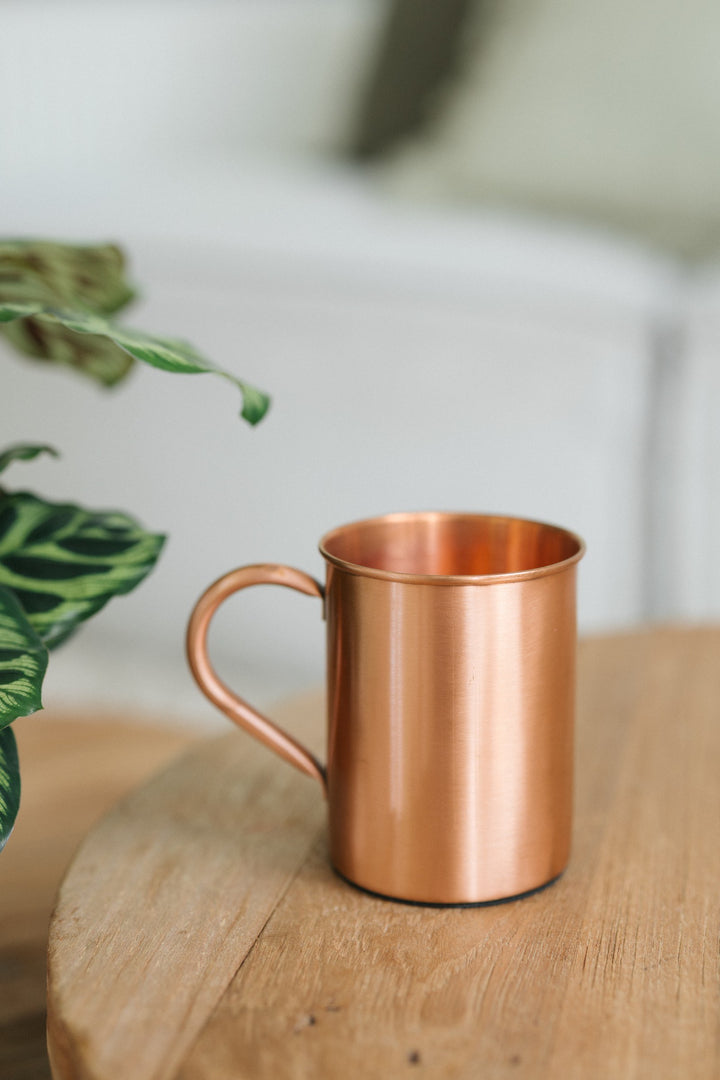 Copper MugSmooth€34,95
-
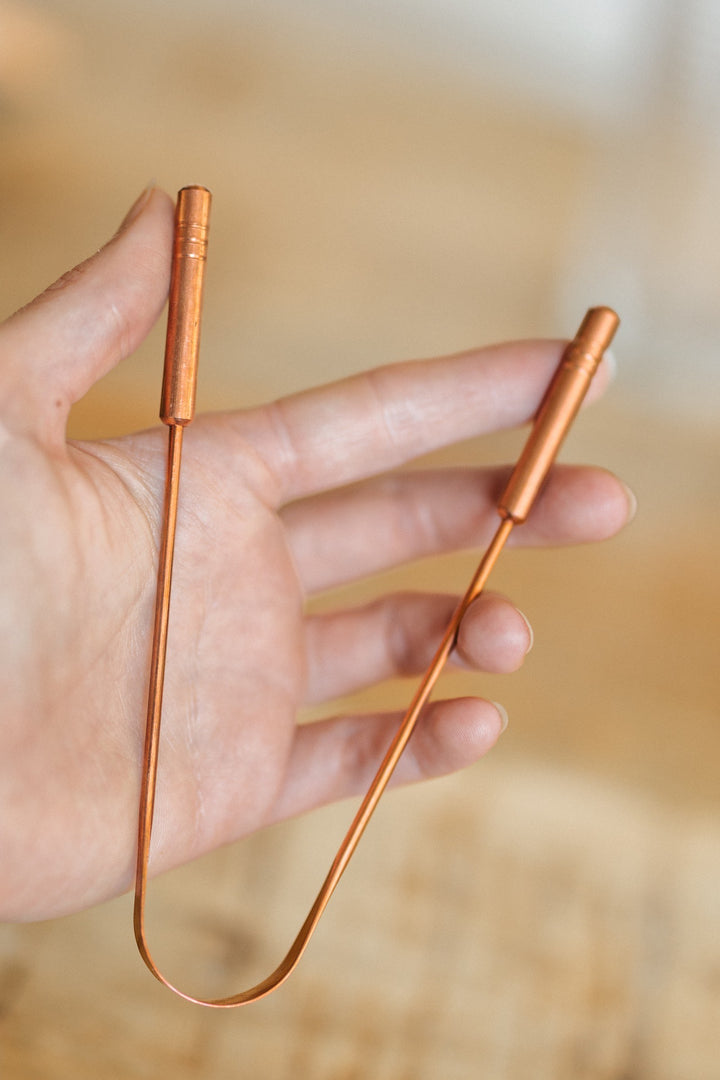 Copper Tongue ScraperTemporarily out of stock€24,95
-
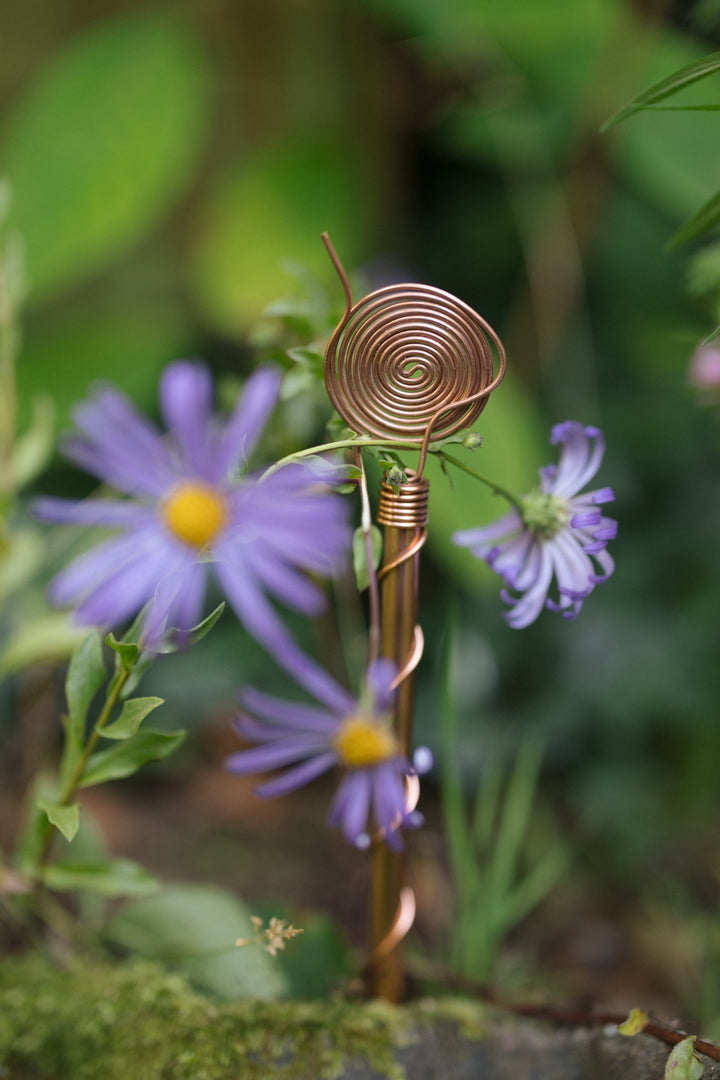 Electroculture30 cmfrom €39,95
-
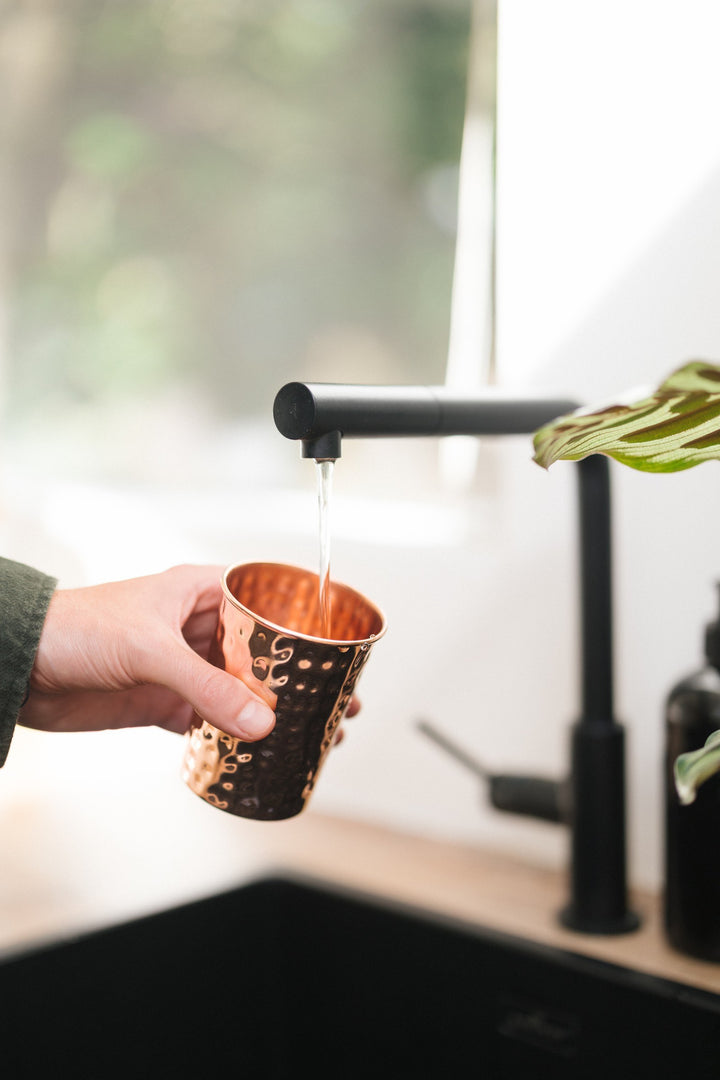 Copper CupHammeredTemporarily out of stock€29,95
-
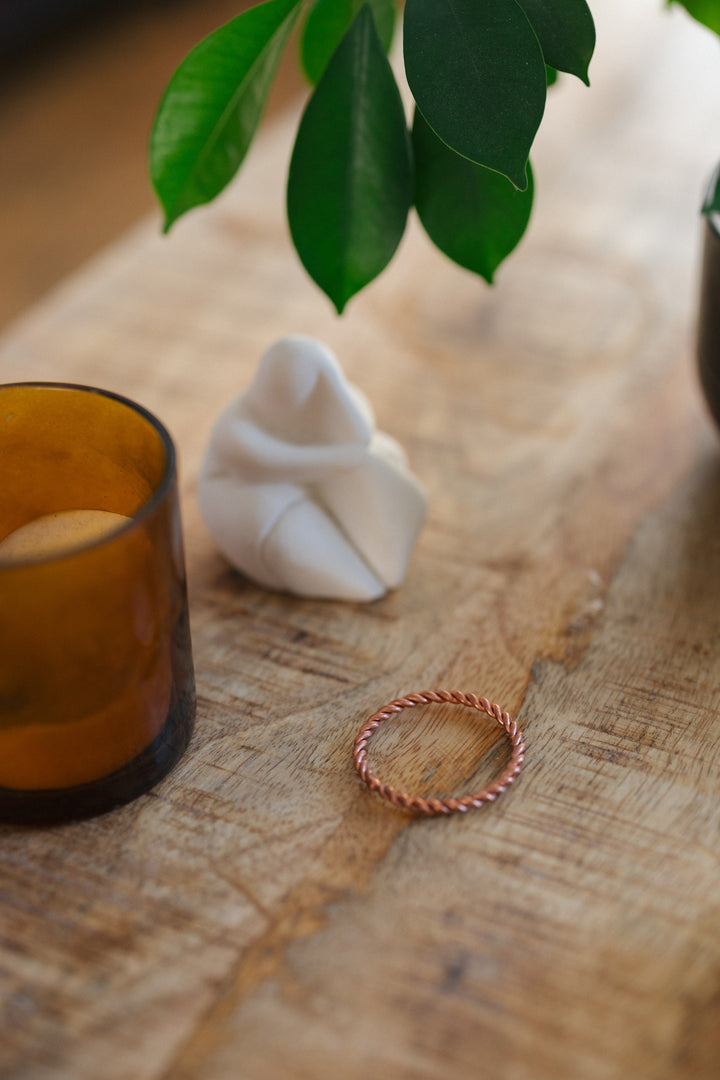 Copper Tensor Ring€24,95
-
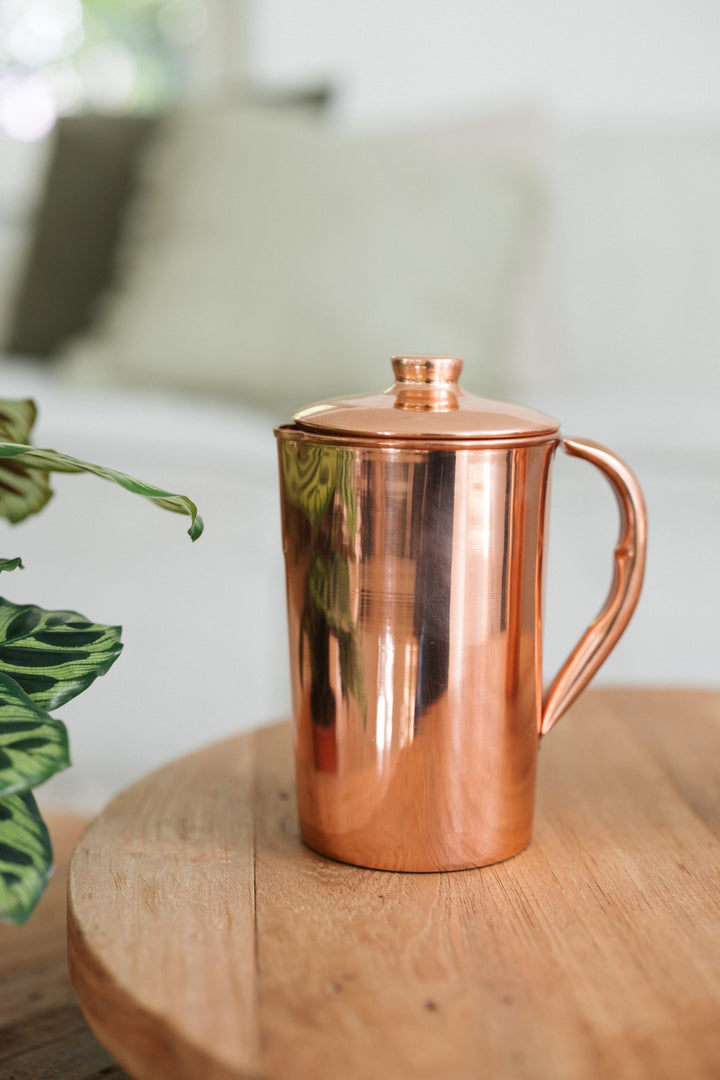 Copper JugSmooth€74,95
-
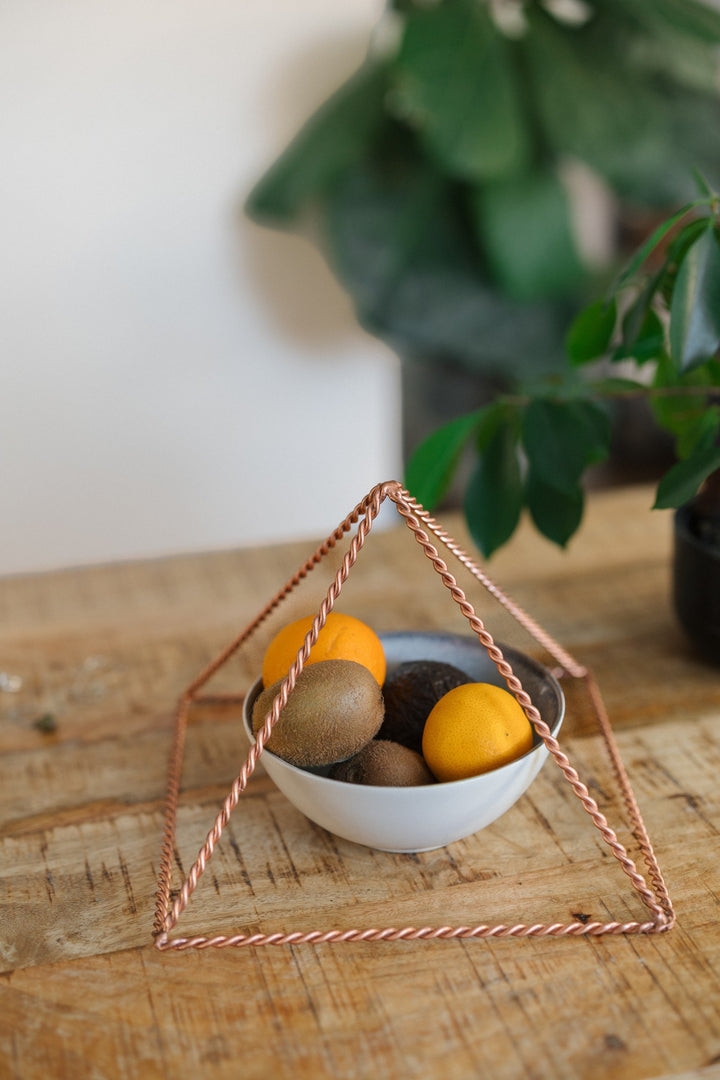 Copper Pyramid Energizer TwistedTemporarily out of stockfrom €39,95
Where would you like copper in your life?
Five ways in, from your morning water to your garden. If you are unsure, the product finder will help.


Pure copper. No junk.
Solid copper, independently tested for composition, food contact, odour and taste.
copper, independently measured
Independently tested by RTC and URS.Tested for food contact
Migration, smell and taste examined by URS
19 metals tested
Not detected in the test water
Measured in the test water, under the conditions of the report.
Neutral odour and taste
Perfect score in the LFGB sensory test
Pure copper doesn’t attract a magnet
Our products are made from solid copper. In the video, the magnet sticks to the metal test piece but not to our copper. Two independent lab tests measured a copper content of over 99%.
View the lab reports

What pure copper does for you
Copper has been used for thousands of years to drink from, to wear and to care for the body. Research now confirms why: the metal is naturally antibacterial, an essential mineral for your body, and it measurably changes the water it touches.
-
Naturally antibacterial copper
Bare copper has antibacterial properties. On cleaned copper surfaces, laboratory tests reduced bacteria such as MRSA and E. coli by more than 99.9% within two hours.
EPA registration, 2008 -
Changes the water it touches
In a laboratory study, the tested bacteria could no longer be cultured after 16 hours, and pH rose slightly. Those 16 hours were the study duration; the evening-to-morning ritual is about 8 hours.
Sudha et al., 2012 -
A mineral your body needs
Copper is an essential trace element, involved in your energy metabolism and the protection of your cells.
Nutritional science -
Research on copper and skin
Researchers study copper peptides and copper-containing skin applications. This background research concerns different applications from wearing a solid copper bracelet.
Research on copper in skin applications -
Lasts a lifetime, and then another
Copper loses none of its properties when it is melted down. Most of the copper ever mined is still in use somewhere.
Copper recycling
See how copper looks at home


Into the mountains with Kopero
Team Carrick-Smith represents Great Britain at World Cup level and chooses Kopero copper water bottles. Fresh copper water throughout the ski season.
Read their story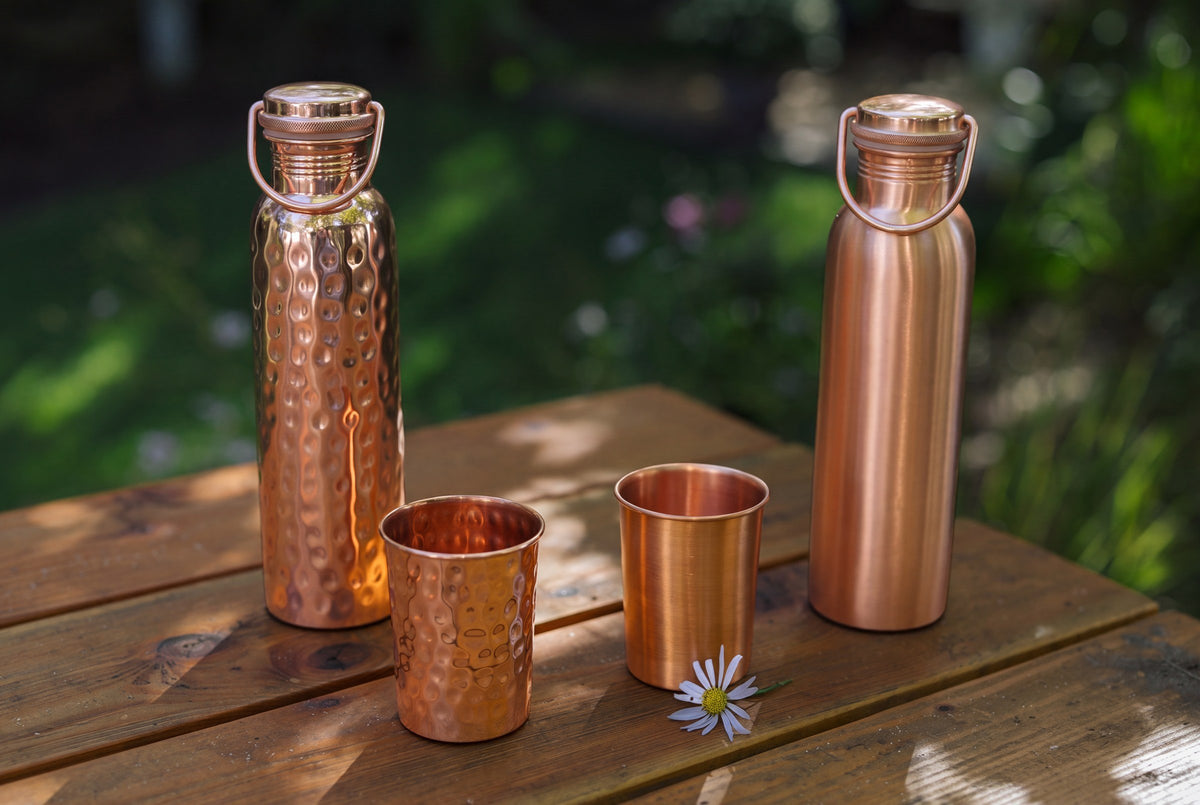
Copper deserves a place in your day again
For centuries copper was a matter of course in drinkware, jewellery, care rituals and gardens. We are bringing that versatility back in products you can genuinely use.
Kopero does not choose between measurable material knowledge and older or energetic traditions. It is precisely the combination that makes copper so fascinating, and it leaves everyone room to find a ritual of their own.
Explore the knowledge base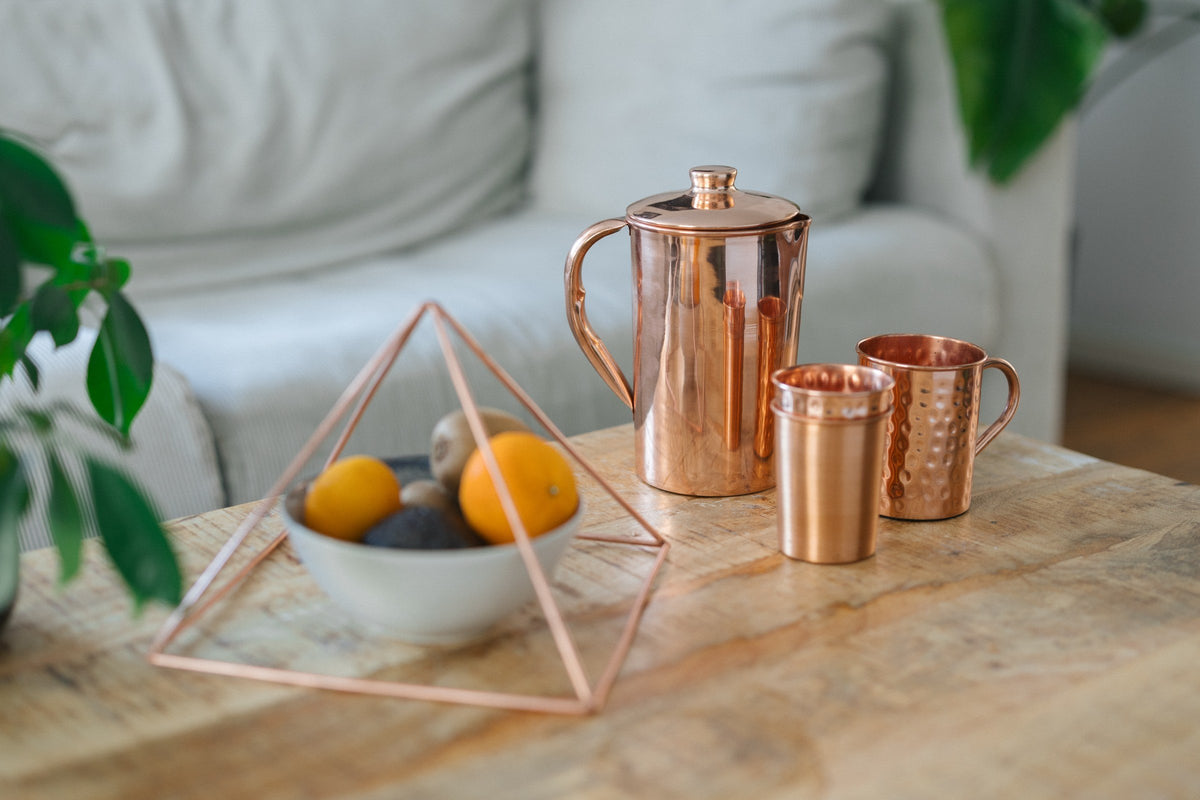
Frequently asked questions
My bottle is dark and patchy inside. Is that normal?
Yes, and you can keep drinking from it. New copper forms a thin oxide layer as soon as water stands in it, and in a new bottle that often starts out patchy, sometimes after a single night. With use, the colour usually evens out. At the bottom you will see a few rings from forming the bottle in one piece; that is often where the copper colours first, sometimes with a purplish sheen. Brown and black can stay; only green or blue deposits are worth removing before you refill. If you want to clean the inside, shake lemon juice with a tablespoon of salt in the closed bottle, rinse thoroughly a few times and let it dry upside down.
More on this: dark spots inside your copper bottle and 8 mistakes with a copper bottle
So why isn't it 100% pure copper?
RTC (2021): 99.21% copper and 0.75% zinc. URS (21 October 2026), a separate bottle sample: 99.18% copper and 0.498% zinc. The difference in measured copper content is 0.03 percentage points. The report does not state measurement uncertainty that would allow us to classify this difference as non-significant. Each result relates to its own tested sample, not a guaranteed composition of every item.
More on this: how to recognise real copper
What should I keep in mind with a copper bottle?
Three things, and we would rather name them up front. You wash a copper bottle by hand, not in the dishwasher. It takes on its own patina over the months. And still water is what goes in: lemon water, anything carbonated and sports drinks are acidic enough to dissolve copper faster. The inside is bare copper. With normal use and care, the bottle lasts for years.
More on this: what a copper bottle gives you
Can I track my order?
Yes, via the track & trace page with the tracking number from your shipping email.
What can I do if I received a damaged product?
Contact us via the contact form, and we'll solve it together.